Designing an Aromatherapy Herb
Garden:
A Complete Guide
Creating an aromatherapy herb garden is a rewarding way to harness the healing properties of plants while adding beauty to your landscape. Whether you're a seasoned herbalist or just beginning to explore the world of aromatherapy, growing your own herbs ensures you have access to the freshest, most potent plant materials for essential oils and other herbal preparations.
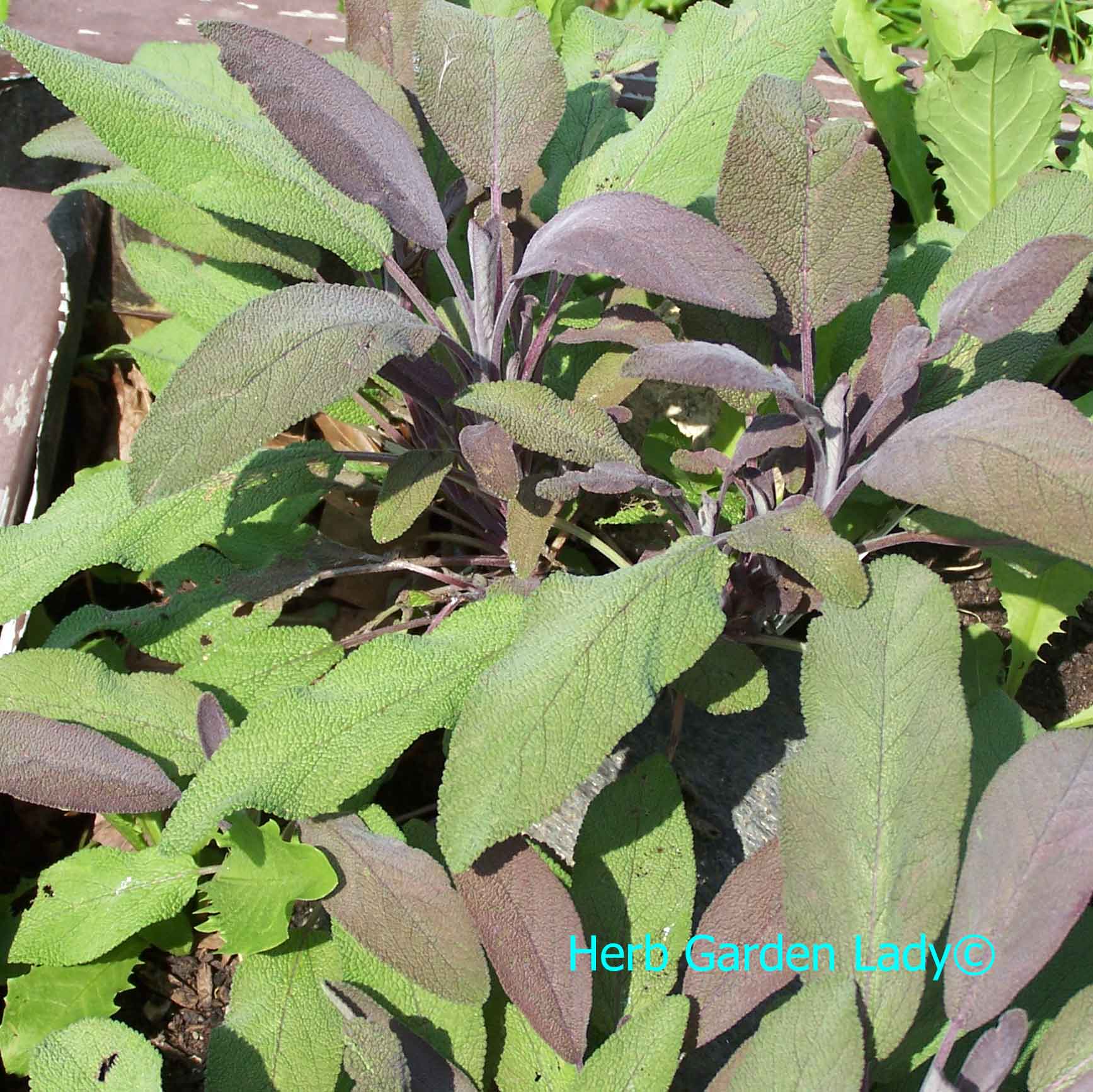
Some of the most popular and useful herbs to grow for extraction of essential oils are basil, benzoin, bergamot, black pepper, camphor, cedarwood, chamomile, cinnamon, clary sage, clove, coriander, cypress, eucalyptus, fennel, frankincense, geranium (pelargonium), ginger, hyssop, jasmine, juniper, lavender, lemon, lemon grass, marjoram (sweet), Melissa, myrrh, neroli, niaouli, patchouli, peppermint, pine, rose, rosemary, sage, sandalwood, tea tree, thyme, and ylang-ylang.
|
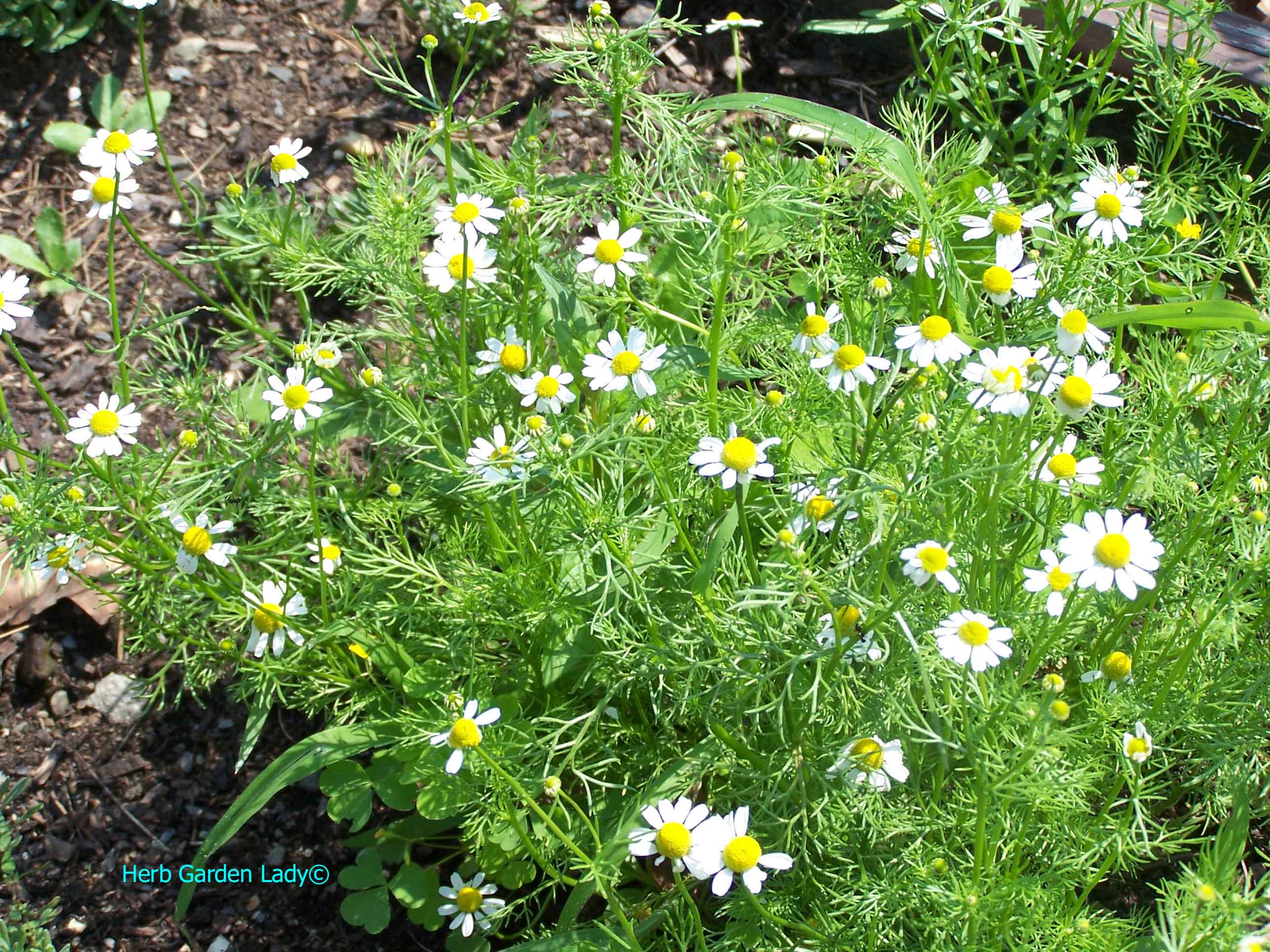
This herb is easy to grow and a natural perennial. |
Foundation: Soil Requirements
The most important foundation of a successful aromatherapy garden is proper soil. Herbs used for aromatherapy often produce more potent essential oils when slightly stressed, which means:
- Well-draining soil is essential for most aromatherapy herbs
- Slightly alkaline pH (between 6.5-7.5) works best for many Mediterranean herbs like lavender, rosemary, and sage
- Sandy loam soil encourages essential oil production in many plants
- Organic matter should be incorporated but not excessively, as too-rich soil can reduce essential oil concentration
Growing Organically
An aromatherapy herb garden is significantly more valuable when grown organically. This is vital because:
- Essential oils are concentrated plant compounds - any pesticides or chemicals can become concentrated in the final product
- Therapeutic benefits may be compromised by chemical residues
- Certification opportunities exist for organic growers who wish to sell to commercial essential oil producers
- Enhanced medicinal properties are often found in organically grown herbs
Understanding Essential Oils in Plants
Essential oils can be found throughout different plant parts:
- Leaves: Peppermint, eucalyptus, rosemary
- Flowers: Lavender, chamomile, rose
- Fruit: Bergamot, lemon, orange
- Seeds: Coriander, fennel, black pepper
- Wood: Cedarwood, sandalwood
- Resin: Frankincense, myrrh
- Bark: Cinnamon, cassia
- Roots: Ginger, vetiver
It's important to note that essential oils are volatile compounds that quickly evaporate when exposed to heat or air. This volatile nature is what makes them aromatic but also requires careful handling during harvesting and processing.
Top Herbs for an Aromatherapy Garden
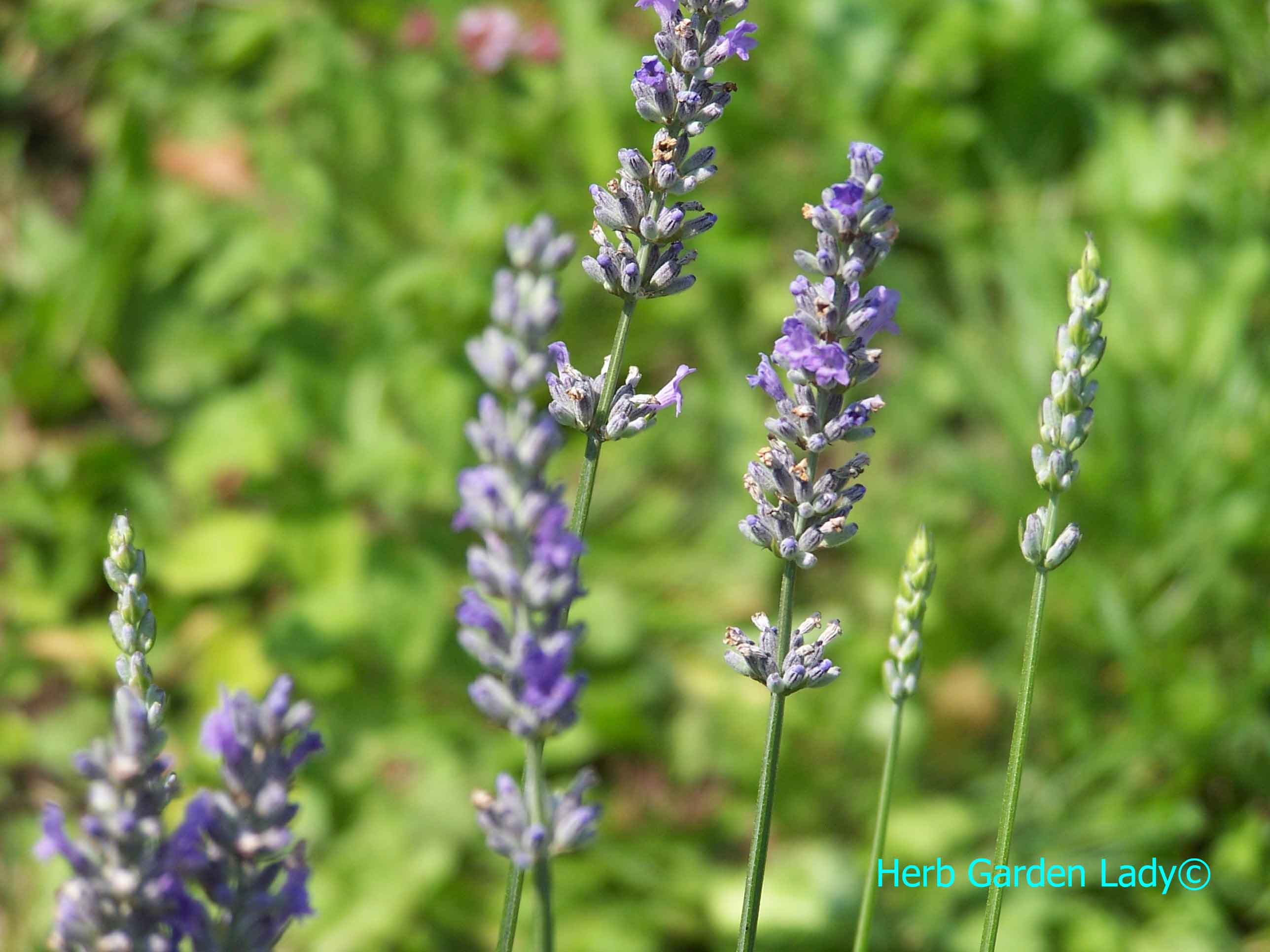
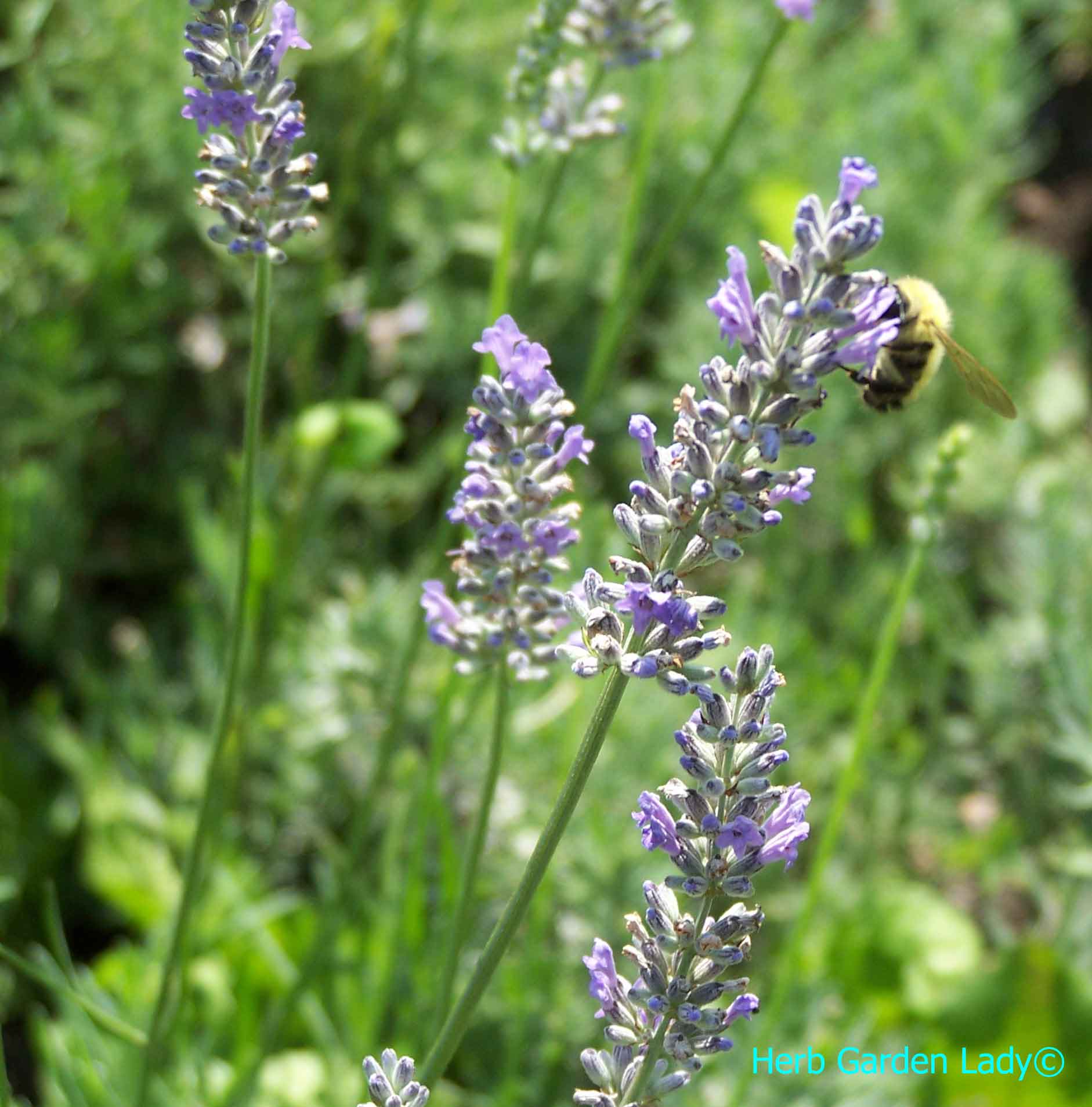
Lavender (Lavandula angustifolia)
- Growth habits: Perennial shrub, zones 5-9
- Soil needs: Well-draining, alkaline soil
- Sunlight: Full sun (6+ hours)
- Therapeutic uses: Insomnia, anxiety, headaches, skin conditions
- Harvesting tips: Harvest flower stalks when buds are just beginning to open for maximum oil content
Lavender is the number one herb used in aromatherapy, prized for its calming scent and versatile applications.
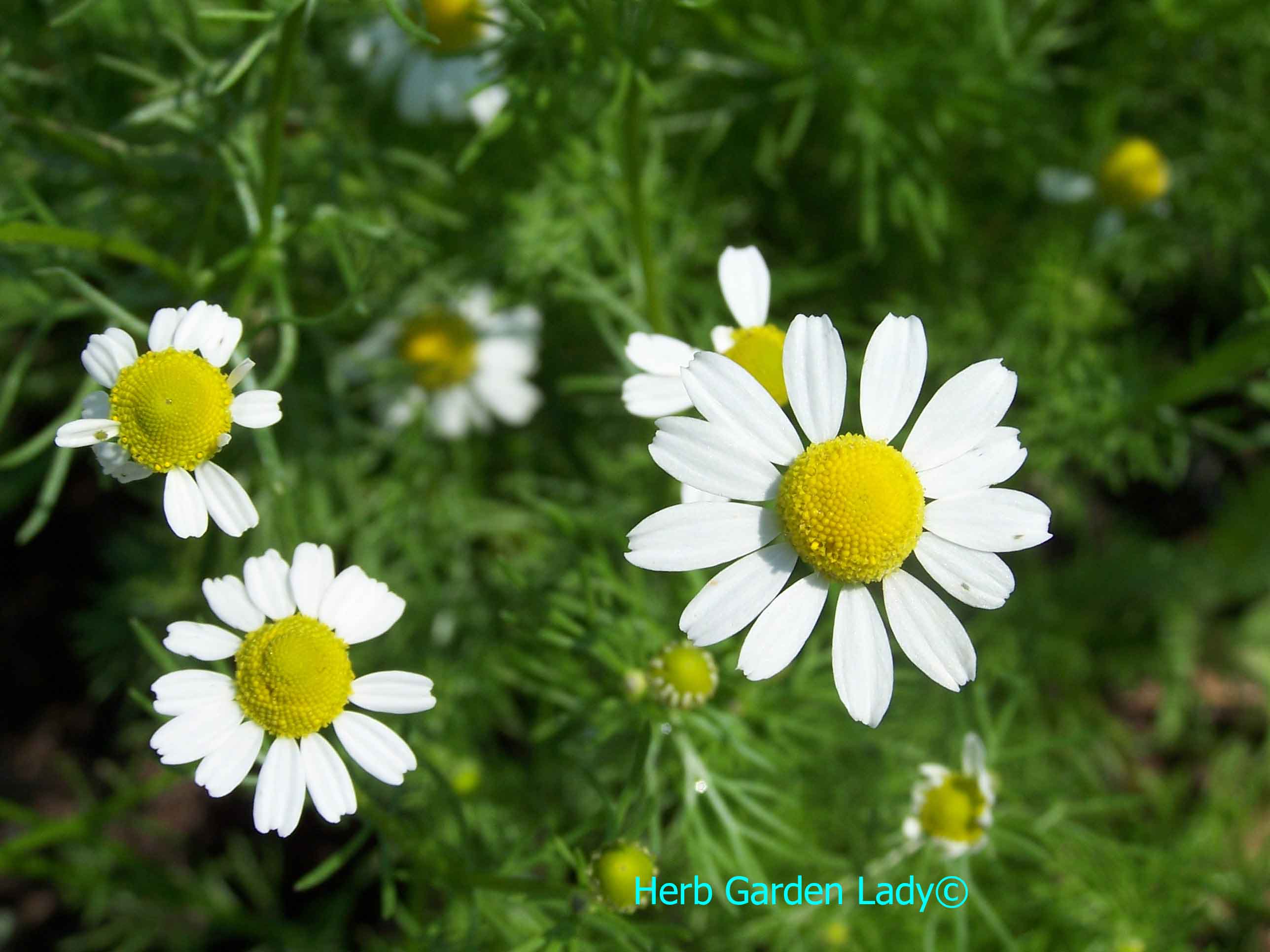
Chamomile (Matricaria chamomilla)
- Growth habits: Easy-to-grow perennial, zones 3-9
- Soil needs: Light, well-draining soil
- Sunlight: Full sun to partial shade
- Therapeutic uses: Sleep aid, digestion, inflammation, skin conditions
- Harvesting tips: Harvest flowers when fully open, preferably in mid-morning
Rosemary (Rosmarinus officinalis)
- Growth habits: Woody perennial, zones 7-10
- Soil needs: Well-draining, slightly acidic to alkaline
- Sunlight: Full sun
- Therapeutic uses: Memory enhancement, hair health, respiratory issues
- Harvesting tips: Harvest young stems before flowering for highest oil content
- Growth habits: Spreading perennial, zones 3-9
- Soil needs: Rich, moist soil
- Sunlight: Partial shade to full sun
- Therapeutic uses: Digestive aid, headache relief, mental clarity
- Harvesting tips: Harvest just before flowering, in mid-morning after dew has dried
- Containment: Consider growing in containers as it spreads aggressively
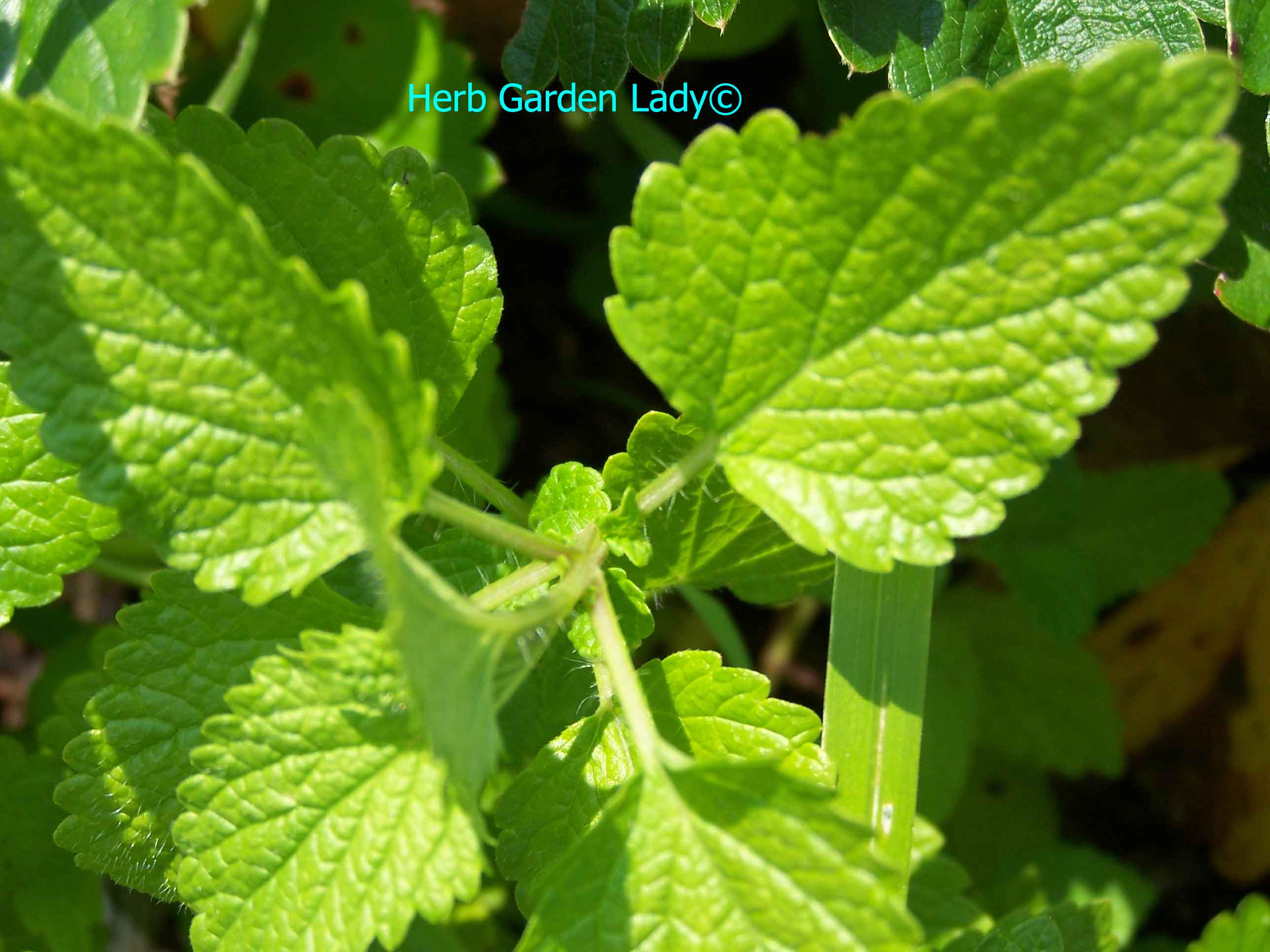
Lemon Balm (Melissa officinalis)
- Growth habits: Perennial, zones 4-9
- Soil needs: Rich, well-draining soil
- Sunlight: Partial shade to full sun
- Therapeutic uses: Nervous tension, anxiety, insomnia, viral infections
- Harvesting tips: Harvest before flowering for best flavor and medicinal properties
- Growth habits: Perennial shrub, zones 4-9
- Soil needs: Well-draining, sandy soil
- Sunlight: Full sun
- Therapeutic uses: Depression, memory enhancement, menopausal symptoms
- Harvesting tips: Harvest young leaves before flowering for highest essential oil content
- Growth habits: Perennial shrubs, varying hardiness zones
- Soil needs: Rich, well-draining soil
- Sunlight: At least 6 hours of sun
- Therapeutic uses: Depression, skin care, aphrodisiac
- Harvesting tips: Harvest flowers in early morning after dew has dried but before heat of day
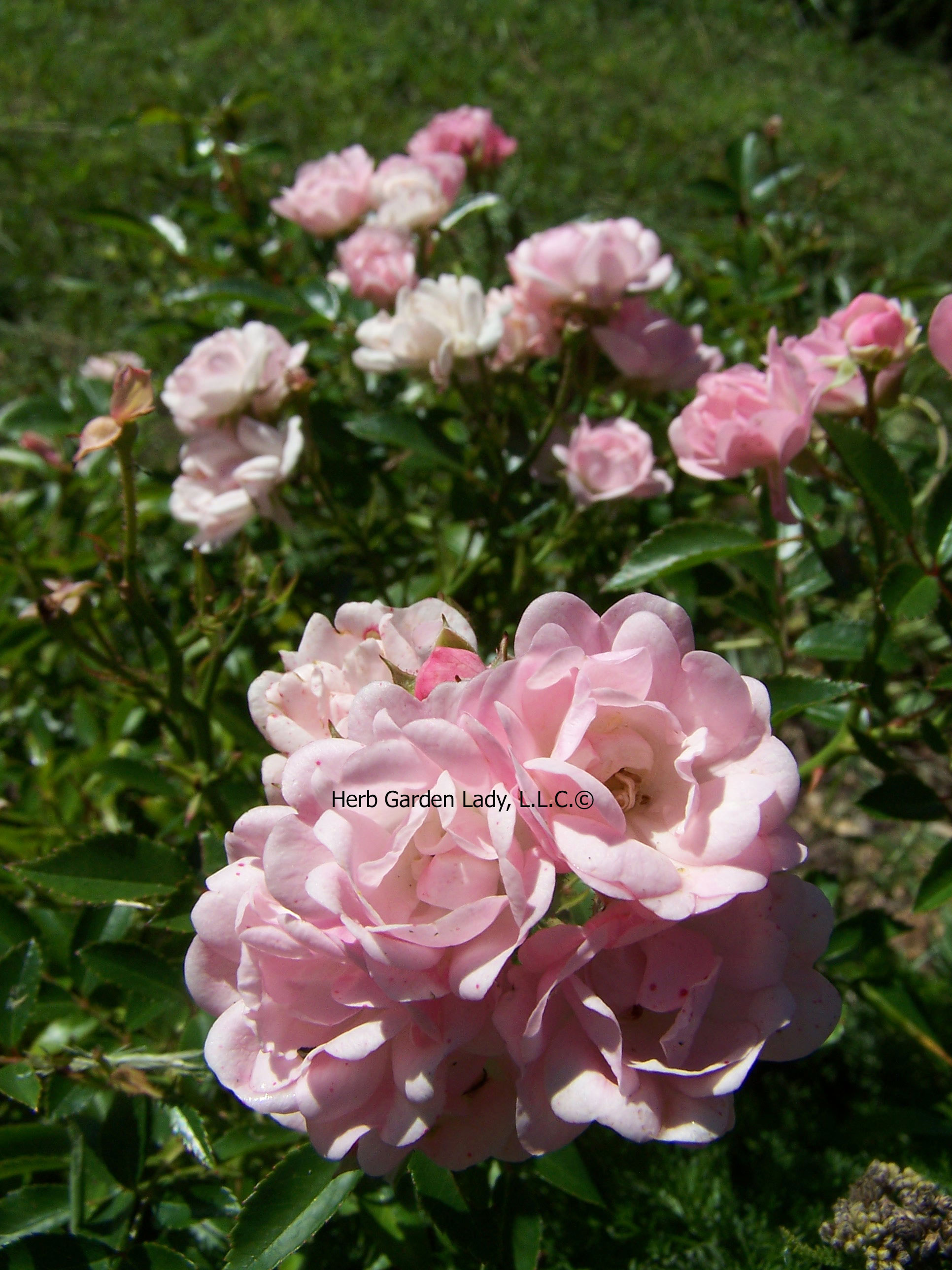
- Variety selection: Choose highly fragrant varieties like Rosa damascena or Rosa centifolia for aromatherapy
Additional Excellent Aromatherapy Herb Garden
Tea Tree (Melaleuca alternifolia)
- Growth habits: Small tree or shrub, zones 9-11
- Therapeutic uses: Antiseptic, anti-fungal, immune support
- Growing tips: Needs warm climate or greenhouse in colder regions
Eucalyptus (Eucalyptus globulus)
- Growth habits: Tree, zones 8-11
- Therapeutic uses: Respiratory conditions, pain relief, immune support
- Growing tips: Can be grown as annual in colder climates or in containers
Thyme (Thymus vulgaris)
- Growth habits: Low-growing perennial, zones 5-9
- Therapeutic uses: Respiratory infections, antibacterial, anti-fungal
- Growing tips: Plant in very well-draining soil, trim after flowering
Geranium (Pelargonium graveolens)
- Growth habits: Tender perennial, zones 9-10
- Therapeutic uses: Anxiety, hormonal balance, skin conditions
- Growing tips: Can be overwintered indoors in colder climates
Garden Design Considerations
Companion Planting
Consider which herbs grow well together based on:your aromatherapy herb garden
- Similar water requirements
- Compatible soil needs
- Beneficial insect attraction
- Growth habits (tall plants may shade shorter ones)
Accessibility
Design your garden with harvest in mind:
- Place frequently harvested herbs near the house
- Include wide paths for easy access
- Consider raised beds for less bending
- Group herbs by harvest time
Aesthetic Appeal
Create a garden that's beautiful as well as functional:
- Include herbs with varied textures and colors
- Consider seasonal interest through the year
- Incorporate garden elements like paths, benches, or focal points
- Design around a theme (medicinal, culinary, etc.)
Essential Oil Extraction
LEVO II+ - Herbal Oil Infusion Machine Plus Filter Technology - Botanical Extractor
*As an Amazon Associate, I earn from qualifying purchases. At no extra cost to you.
Although the extraction of essential oils is complicated and costly, it can be done through patience and dedication. Typically, herbs are distilled (steamed), which is a labor-intensive method to collect the oils.
You need to grow a tremendous amount of herbs to distill even 1 fluid ounce of essential oil. For example:
- Lavender: 1 pound of flowers yields approximately 1/2 teaspoon of essential oil
- Rose: 67 roses yield approximately 1 drop of essential oil
- Chamomile: 1 pound of flowers yields approximately 1/4 teaspoon of essential oil
For this reason, commercial essential oil production is often better left to professionals. However, you can grow herbs to:
- Supply to commercial distillers
- Create your own herbal preparations like tinctures, infused oils, and hydrosols
- Develop your personal organic medicinal pharmacy
- Enjoy the therapeutic benefits of the plants in their natural form
Vermont Lavender handmade skincare products visit www.vermontlavender.com
Other Ways to Use Your Aromatherapy
Herbs
If distillation isn't practical, you can still enjoy the aromatherapy benefits of your garden through:
- Herbal sachets and potpourris - dried herbs in cloth bags or decorative bowls
- Hydrosols - floral waters created during the distillation process (simpler to make than essential oils)
- Herbal baths and foot soaks - fresh or dried herbs added to bathwater
- Herbal steam inhalation - for respiratory conditions and skin care
- Herbal pillows - stuffed with aromatic dried herbs for sleep and relaxation
- Culinary uses - many aromatherapy herbs double as culinary herbs
- Smudge sticks - bundles of dried herbs burned for their aromatic smoke
Vermont Lavender handmade skincare products visit www.vermontlavender.com
Seasonal Care and Maintenance
Spring
- Prune perennial herbs to encourage bushy growth
- Begin harvesting early herbs like mint and lemon balm
- Watch for beneficial insects and encourage their presence
Summer
- Regular harvesting encourages continued production
- Water deeply but infrequently to encourage essential oil production
- Harvest most herbs in mid-morning after dew dries but before heat of day
Fall
- Final harvests before first frost
- Prepare tender perennials for winter
- Collect seeds from annual herbs
Winter
- Protect perennial roots with mulch in colder regions
- Plan next year's garden
- Use dried herbs from summer harvests
Creating an aromatherapy herb garden connects you directly with the healing power of plants. By understanding the specific needs of aromatic herbs and designing a garden that meets those needs, you'll create not just a beautiful space but a living pharmacy. Whether you simply enjoy the fragrance as you walk through your garden or process the herbs for medicinal use, an aromatherapy garden provides multiple layers of healing benefits.
Learn more about Planning an Herb Garden or Herb Garden Design
Affiliate Disclaimer: Some links in this article may be affiliate links, which means I earn a small commission if you purchase through them—at no extra cost to you. Thank you for supporting me and my small business! Your contributions help keep my passion for growing and using herbs. I only recommend products I trust and love. Thanks for being part of my journey!